 中文版
中文版  Spain
Spain  Arabic
 Russian
 Korean
 Thai
Thai vietnamese
 Persian
 Deutsch
 Türkce
 日本語
日本語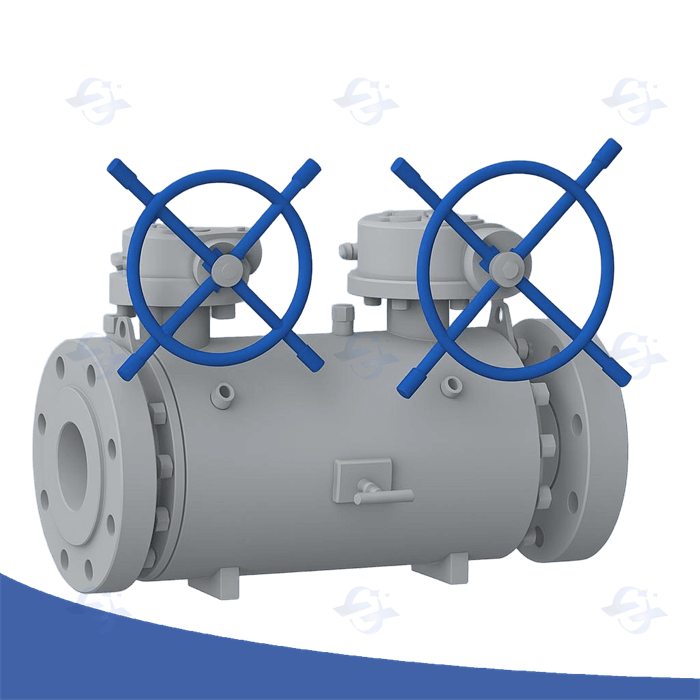
Metal Seat vs Soft Seat Ball Valve: Which One Should You Choose for Industrial Applications?
Meta Description: Metal seat or soft seat ball valve? Discover the real engineering differences in sealing performance, temperature resistance, wear resistance, maintenance, and industrial applications to choose the right ball valve for your system.
In the valve industry, there’s a question engineers hear almost every week:
“Should we use a metal seated ball valve or a soft seated ball valve?”
At first, the difference sounds simple — one uses metal seats, the other uses soft materials like PTFE. But once you put these valves into real industrial service, the decision becomes much more important than it seems on paper.
A wrong valve choice doesn’t usually fail immediately.
Instead, problems slowly begin to appear:
- Seat wear increases faster than expected
- Leakage starts after thermal cycling
- Torque becomes unstable
- Maintenance shutdowns become more frequent
- Production downtime costs start climbing
And in severe operating conditions — especially high temperature, slurry media, powder handling, steam systems, or refinery pipelines — selecting the wrong seat design can shorten valve life dramatically.
This is why experienced engineers don’t just compare catalog specifications. They look at:
- Temperature range
- Media characteristics
- Abrasion level
- Pressure fluctuation
- Fire safety requirements
- Maintenance strategy
- Long-term operating cost
In this guide, we’ll break down the real-world differences between metal seated ball valves and soft seated ball valves, not just from a product perspective, but from an actual industrial engineering standpoint.
Understanding the Core Difference
The biggest distinction between these two valve types lies in the sealing interface between the ball and the seat.
What Is a Soft Seat Ball Valve?
A soft seated ball valve uses non-metallic materials to create sealing between the ball and valve seat.
Common seat materials include:
- PTFE (Teflon)
- RPTFE
- PEEK
- Nylon
- Devlon
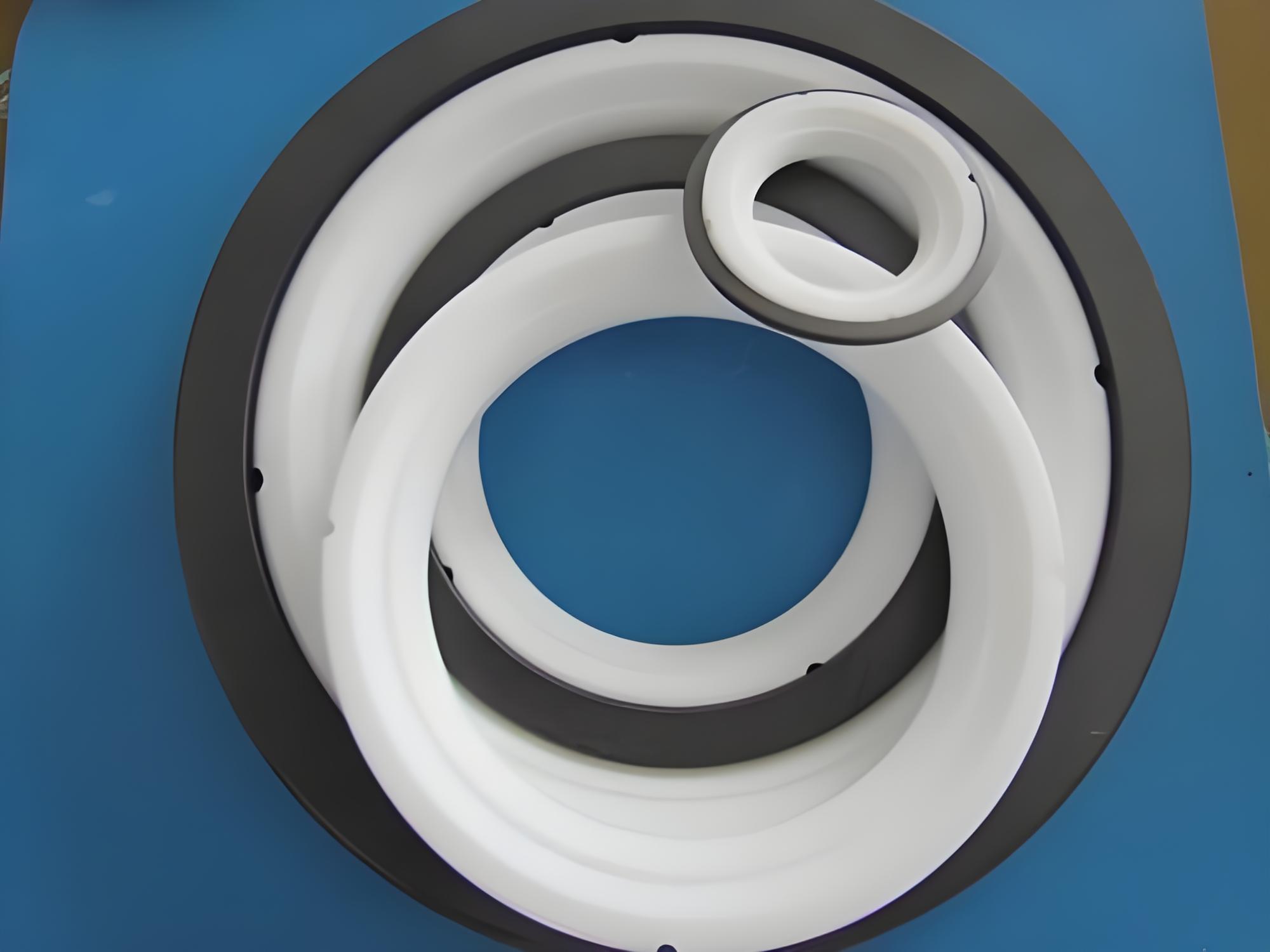
These materials are slightly flexible, allowing the seat to deform microscopically against the ball surface and create an extremely tight seal.
That flexibility is exactly why soft seated valves are known for:
- Bubble-tight shutoff
- Low torque operation
- Excellent sealing at low pressure
- Smooth opening and closing
In clean service conditions, soft seated valves perform exceptionally well and are often the most economical solution.
What Is a Metal Seat Ball Valve?
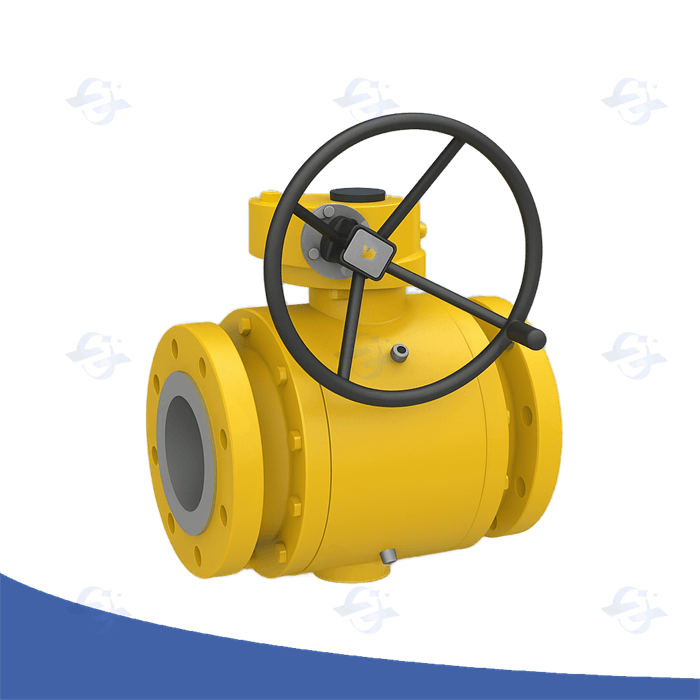
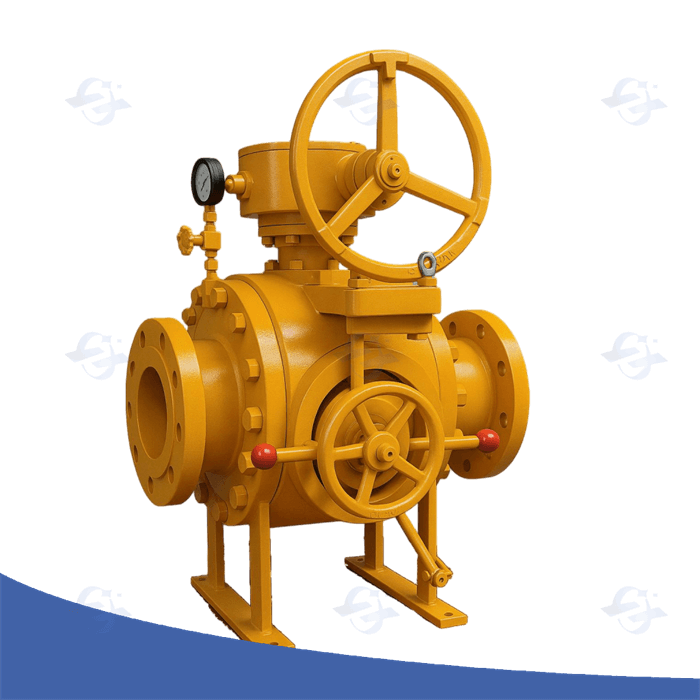
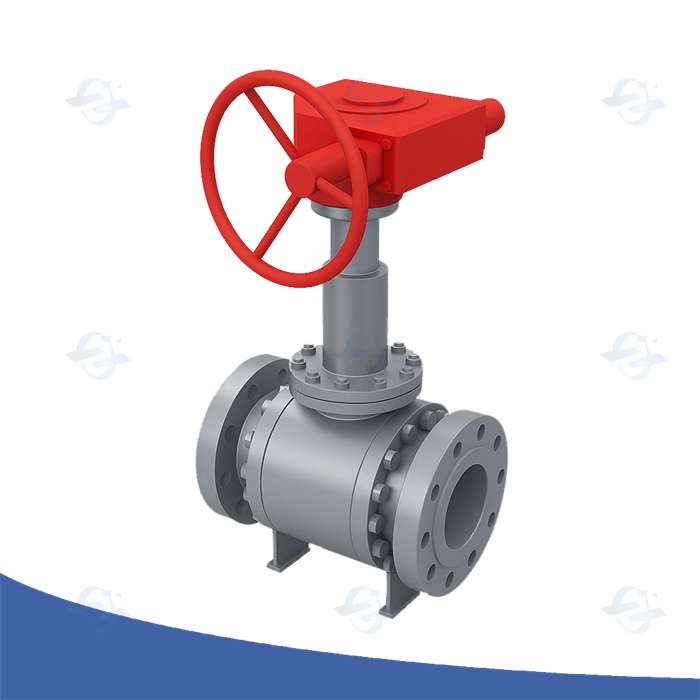
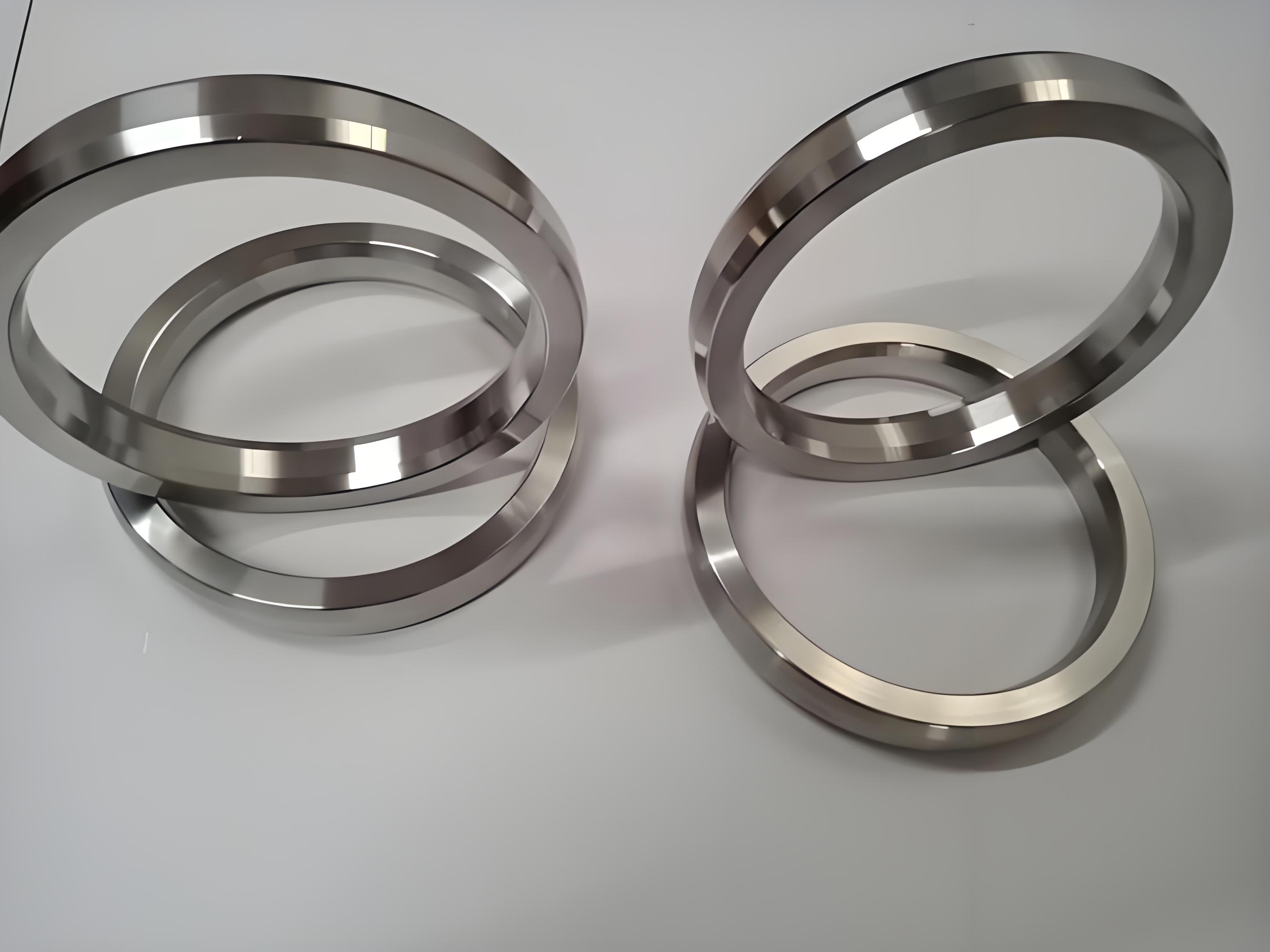
A metal seated ball valve uses metal-to-metal sealing surfaces instead of soft polymers.
Because direct metal contact would normally wear quickly, manufacturers apply hardened surface treatments such as:
- Tungsten carbide
- Chromium carbide
- Stellite coating
- HVOF coating technologies
These coatings dramatically improve:
- Wear resistance
- Heat resistance
- Surface hardness
- Abrasion resistance
Unlike soft seats, metal seats are engineered specifically for severe service applications where ordinary soft materials would fail.
Temperature Resistance Changes Everything
This is usually the first factor engineers evaluate.
And honestly, it’s often the point where soft seated valves begin reaching their limits.
Soft Seat Limitations Under High Temperature
Soft materials perform extremely well under moderate conditions, but excessive heat changes their physical properties.
At elevated temperatures:
- PTFE can soften
- Seat deformation increases
- Elastic recovery decreases
- Leakage risk rises significantly
In systems involving:
- Steam
- Thermal oil
- High-temperature gas
- Continuous thermal cycling
soft seats may experience accelerated wear and sealing instability.
Most soft seated ball valves are typically limited to around:
- 180°C–220°C, depending on seat material
That’s perfectly acceptable for many industrial systems — but not all.
Why Metal Seats Dominate High-Temperature Applications
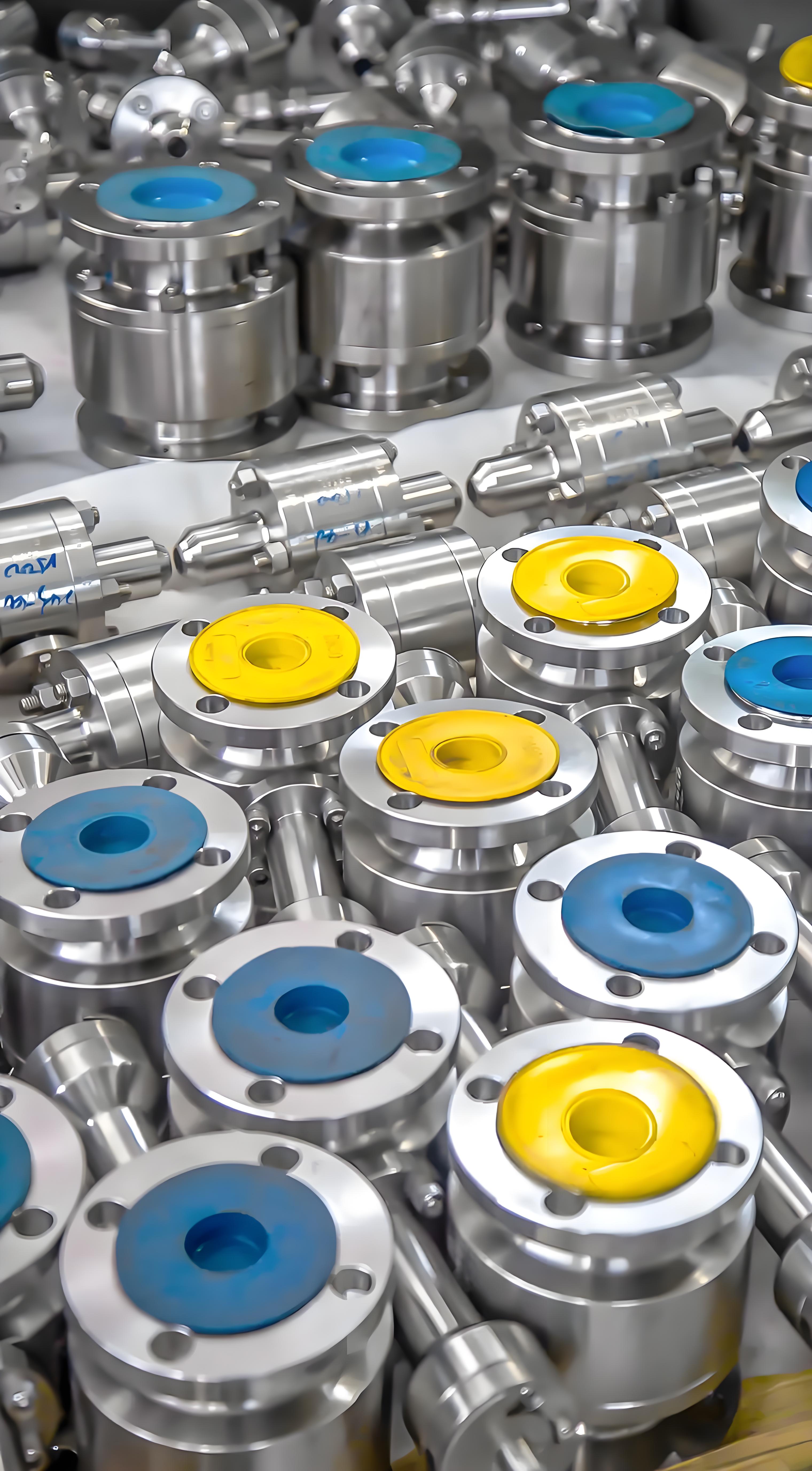
Metal seated ball valves are built for environments where soft seats simply cannot survive.
A properly designed metal seated valve can operate in:
- 400°C
- 500°C
- Even 600°C+ systems
without losing structural integrity.
This is why industries such as:
- Petrochemical processing
- Refining
- Power generation
- Steel plants
- Mining operations
frequently rely on metal seated trunnion ball valves for critical isolation service.
💡 In high-temperature pipelines, durability matters more than achieving perfectly soft sealing performance.
Abrasive Media: The Silent Valve Killer
One of the biggest real-world reasons for valve failure isn’t pressure.
It’s abrasion.
Many industrial media contain:
- Powder
- Sand
- Catalyst particles
- Slurry
- Ash
- Crystallized solids
And these particles constantly attack sealing surfaces during operation.
Why Soft Seats Struggle in Abrasive Service
Soft materials seal beautifully against polished metal balls — but abrasive particles can gradually cut into the seat surface.
Over time:
- Scratches develop
- Leakage increases
- Seat deformation accelerates
- Torque becomes inconsistent
This is especially common in:
- Mining slurry systems
- Cement plants
- Pulp processing
- Powder conveying systems
In these environments, even premium PTFE seats can wear out much faster than expected.
Why Metal Seats Perform Better in Severe Service
Metal seated ball valves are specifically designed for abrasive conditions.
Their hardened surfaces resist:
- Erosion
- Particle impact
- Friction wear
- Thermal fatigue
This makes them ideal for:
- Slurry pipelines
- Fly ash systems
- Catalyst handling
- High-solid-content fluids
💡 In severe service applications, the valve’s ability to survive often matters more than achieving zero leakage.
Sealing Performance: Where Soft Seats Still Win
Despite all the advantages of metal seats, soft seated ball valves still dominate many industries for one simple reason:
They seal exceptionally well.
Soft seat materials conform tightly to the ball surface, allowing:
- Bubble-tight shutoff
- Very low leakage rates
- Excellent sealing under low pressure
This makes them extremely popular in:
- Natural gas systems
- Utility pipelines
- Water treatment plants
- HVAC systems
- Clean chemical processing
In fact, for clean media and moderate temperatures, many engineers still prefer soft seated valves because of their superior sealing efficiency.
Torque and Automation Considerations
Automation changes valve selection dramatically.
As valve size and pressure increase, operating torque becomes a serious engineering concern.
Soft Seat Ball Valve Torque Characteristics
Soft seated valves generally offer:
- Lower operating torque
- Smoother operation
- Smaller actuator requirements
This reduces:
- Pneumatic actuator size
- Electric actuator load
- Automation cost
For many automated systems, this becomes a major advantage.
Metal Seat Torque Challenges
Metal seated valves typically require:
- Higher seating force
- Stronger actuators
- More robust gearbox systems
Especially in large-diameter, high-pressure pipelines.
However, in critical severe-service environments, engineers often accept higher torque requirements in exchange for:
- Longer valve life
- Improved reliability
- Reduced maintenance shutdowns
Fire Safety and Industrial Standards
In industries like oil & gas, fire safety is not optional.
Valve failure during fire exposure can create catastrophic consequences.
This is why many severe-service systems specify:
- API 607 fire-safe ball valves
- API 6D pipeline valves
- ISO 17292 certified valves
Metal seated valves offer major advantages here because metal sealing surfaces maintain integrity even after extreme thermal exposure.
Soft seats, on the other hand, may burn, deform, or lose sealing capability during fire conditions.
That’s why:
- LNG terminals
- Offshore platforms
- Refinery systems
- Petrochemical plants
often prioritize fire-safe metal seated ball valves for critical isolation applications.
Maintenance and Lifecycle Cost
This is where experienced plant engineers think differently from procurement teams.
A valve with a lower purchase price is not always the lowest-cost solution over five years.
Soft Seat Maintenance Reality
Soft seated valves are:
- Easier to machine
- Easier to repair
- Lower in upfront cost
But under severe conditions, they may require:
- More frequent seat replacement
- More shutdown intervals
- More maintenance labor
Metal Seat Long-Term Economics
Metal seated valves cost more initially because:
- Machining tolerance is tighter
- Surface coating technology is expensive
- Materials are harder to process
But in severe service environments, they often deliver:
- Longer service intervals
- Lower maintenance frequency
- Reduced downtime cost
- Better lifecycle ROI
💡 In refinery or mining applications, avoiding just one unexpected shutdown can easily justify the higher initial valve investment.
Typical Industrial Applications
Soft Seated Ball Valves
Best for:
- Water systems
- Clean gas pipelines
- HVAC
- Food & beverage
- Utility applications
- Chemical transfer with clean media
Metal Seated Ball Valves
Best for:
- Slurry pipelines
- Steam systems
- Refinery processing
- Petrochemical plants
- Mining operations
- Powder conveying
- High-temperature oil systems
So Which Valve Should You Choose?
There’s no universal answer.
The “better” valve depends entirely on the operating environment.
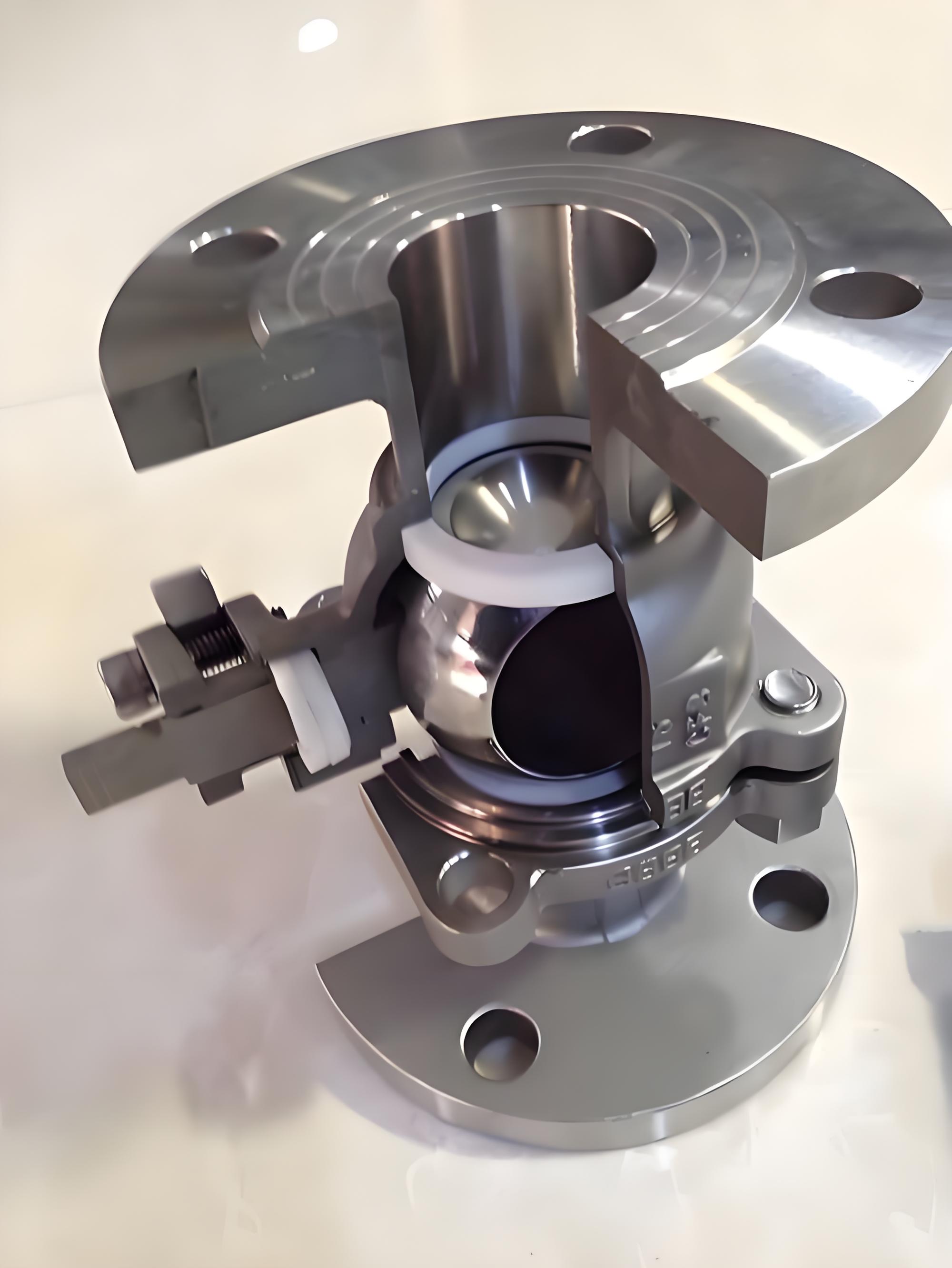
Choose a Soft Seated Ball Valve If:
✔ You need bubble-tight sealing
✔ Media is relatively clean
✔ Temperatures are moderate
✔ Lower torque matters
✔ Cost sensitivity is important
Choose a Metal Seated Ball Valve If:
✔ Media contains abrasive particles
✔ Temperatures are extremely high
✔ Severe wear conditions exist
✔ Fire-safe performance is required
✔ Long-term durability matters most
Final Thoughts from an Engineering Perspective
In real industrial systems, valve selection is never just about specifications on a datasheet.
The best engineers think about:
- How the valve will behave after years of operation
- How maintenance teams will service it
- How process conditions may change over time
- How downtime impacts production cost
A properly selected ball valve improves:
- Plant reliability
- Operational safety
- Maintenance efficiency
- Overall system lifespan
And that’s ultimately what good engineering is about — not choosing the cheapest valve, but choosing the right valve for the job.
For high-performance industrial ball valves designed for demanding applications, visit Yixin Valves Official Website and explore engineered solutions for severe service conditions.