 中文版
中文版  Spain
Spain  Arabic
 Russian
 Korean
 Thai
Thai vietnamese
 Persian
 Deutsch
 Türkce
 日本語
日本語
Underground Radiation Type Welded Ball Valve: Engineering Guide for Critical Pipeline Systems
Ensuring pipeline safety and reliability is a top priority in nuclear facilities, natural gas pipelines, oil transport, and chemical processing. Selecting the right valve can prevent leaks, operational downtime, and costly maintenance. Among specialized valves, the
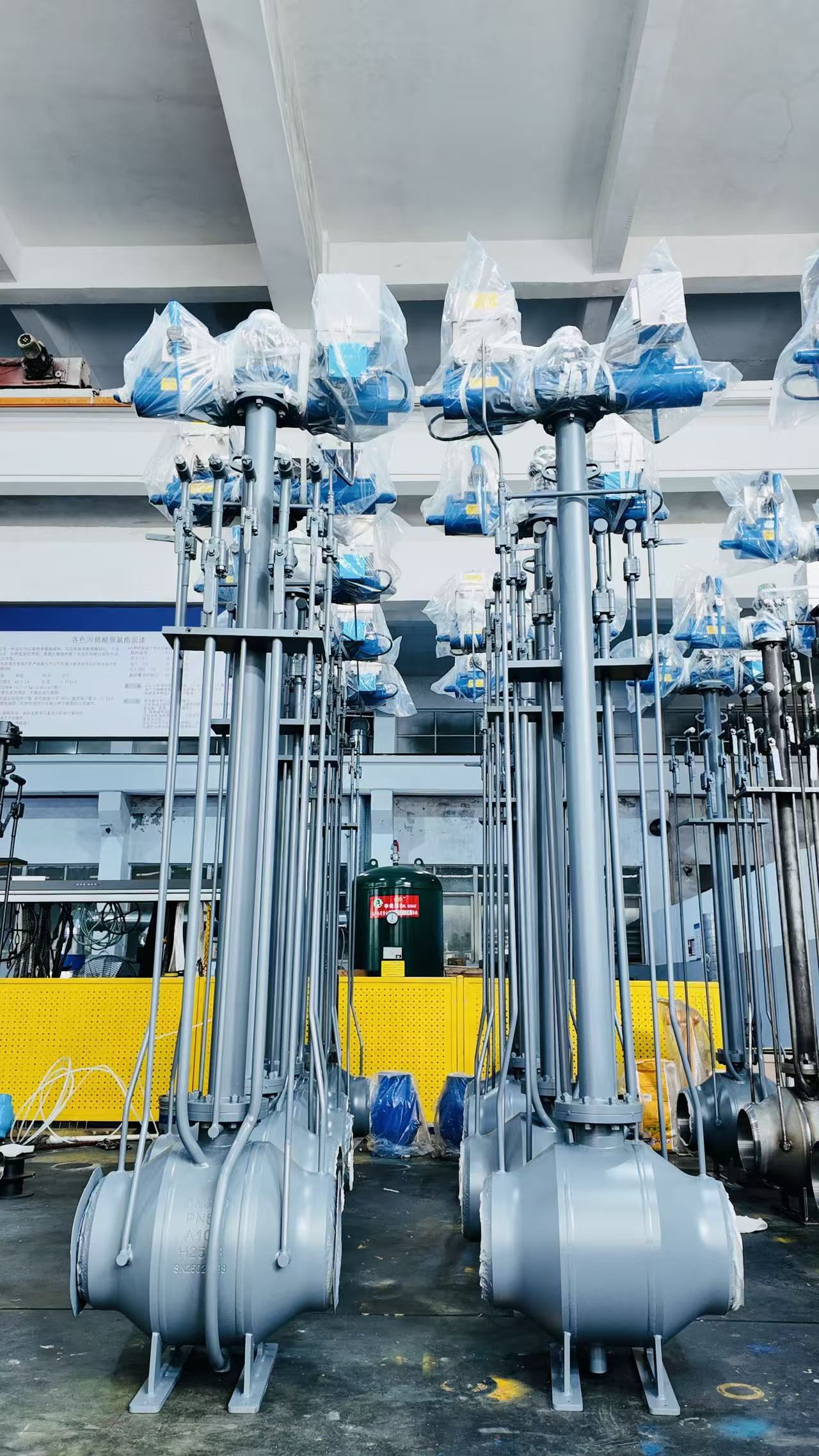
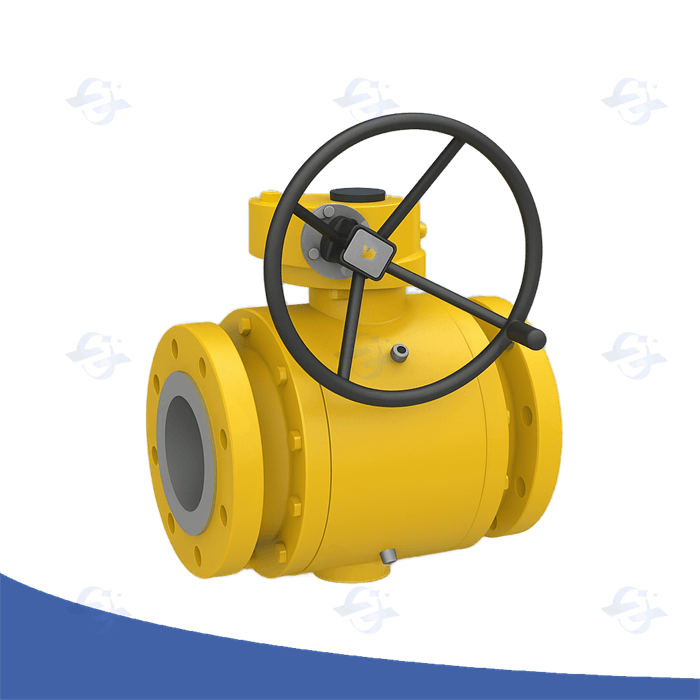
Underground Radiation Type Welded Ball Valve stands out for its precision engineering
and long-term reliability.
What is an Underground Radiation Type Welded Ball Valve?
This valve is designed for buried pipelines in challenging environments. Key engineering features include:
- Underground (Buried) Design: Engineered to resist soil pressure, moisture, and external mechanical loads. Ideal for long-distance pipeline applications.
-
Radiation-Tolerant Materials: Suitable for nuclear and radiation-prone environments, maintaining mechanical integrity and sealing performance over time. - Welded Connection: Robust, leak-free joints outperform flanged or threaded alternatives, ensuring system reliability.
-
Ball Valve Mechanism: Quarter-turn operation allows rapid flow control, even under high pressure or temperature.
Applications Across Critical Industries
1. Nuclear Facilities
- Sealing Reliability: Precision-machined seats and welded construction provide zero-tolerance leakage, essential for radioactive fluids.
- Radiation Durability: Materials resist radiation-induced degradation, preserving valve integrity.
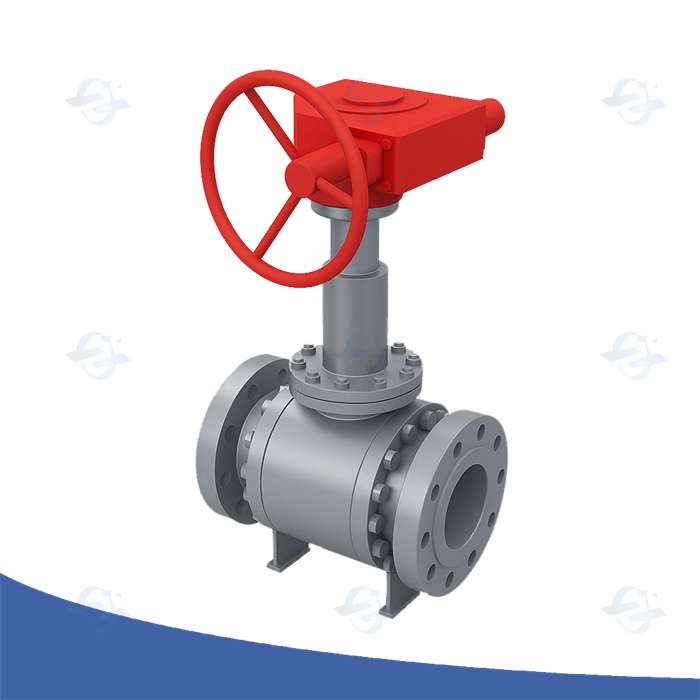
- Remote Operation: Extended stems enable safe operation from control rooms.
2. Natural Gas Pipelines
- Corrosion Resistance: Stainless steel or coated trims prevent degradation from underground conditions.
- Rapid Isolation: Ball valve design allows immediate shutoff during emergencies.
- Low Maintenance: Welded construction reduces inspection frequency, ideal for remote pipeline segments.
3. Oil Transport Systems
- Chemical Compatibility: Resistant to crude oil, sulfur compounds, and high-pressure flow.
- Particle Handling: Smooth ball rotation prevents sediment accumulation and sticking.
- Mechanical Strength: Welded bodies withstand ground movement and vibration.
4. Chemical Processing Pipelines
- Extreme Fluid Resistance: Handles acids, bases, and chlorides without performance loss.
- Zero Leakage: Welded joints eliminate typical flange leak points.
- Safety-Oriented Design: Extended stems reduce operator exposure to hazardous chemicals.
Key Engineering Advantages
- High Sealing Performance – Maintains integrity under pressure, temperature, and radiation.
- Operational Reliability – Engineered for long-term service in challenging environments.
- Low Maintenance Requirements – Welded design minimizes inspection and repair needs.
- Safety Compliance – Suitable for nuclear, gas, oil, and chemical pipelines where failures are unacceptable.
Installation and Maintenance Considerations
- Welding Quality: Proper welding ensures structural integrity and leak-free operation. Pre- and post-weld heat treatments may be required for specific alloys.
- Alignment and Torque: Correct stem alignment and torque ensure smooth operation and prevent premature wear.
- Testing Protocols: Hydrostatic and functional tests validate sealing performance before commissioning.
- Stem Protection: Anti-corrosion coatings and torque management prevent operational issues over decades.
How to Select the Right Valve
When specifying an Underground Radiation Type Welded Ball Valve, engineers should evaluate:
- Material Compatibility – Confirm body and seal materials match fluid properties and environmental conditions.
- Pressure and Temperature Ratings – Ensure valves meet operational pipeline requirements.
- Installation Environment – Suitable for buried or remote operation with extended stems.
- Certification Compliance – ASME, API, ISO, or nuclear-specific standards may be required.
Conclusion: Reliability and Safety with YIXIN Valve
For engineers and operators managing high-risk pipelines, the Underground Radiation Type Welded Ball Valve is a critical component for safety, durability, and long-term reliability. Its welded construction, radiation-resistant materials, precision seats, and extended stem design collectively ensure optimal performance in nuclear, gas, oil, and chemical pipelines.
YIXIN Valve specializes in engineering and manufacturing these valves to meet stringent technical and safety requirements. With advanced materials, precise machining, and rigorous quality control, YIXIN Valve delivers solutions that minimize downtime, reduce maintenance costs, and enhance pipeline safety.
Visit YIXIN Valve to explore our range of underground welded ball valves and request technical support or a customized solution for your critical pipeline system.